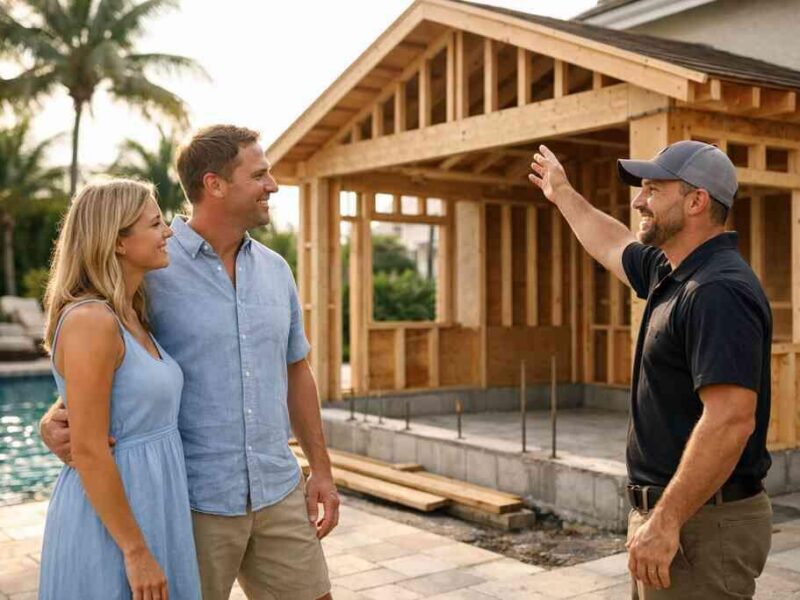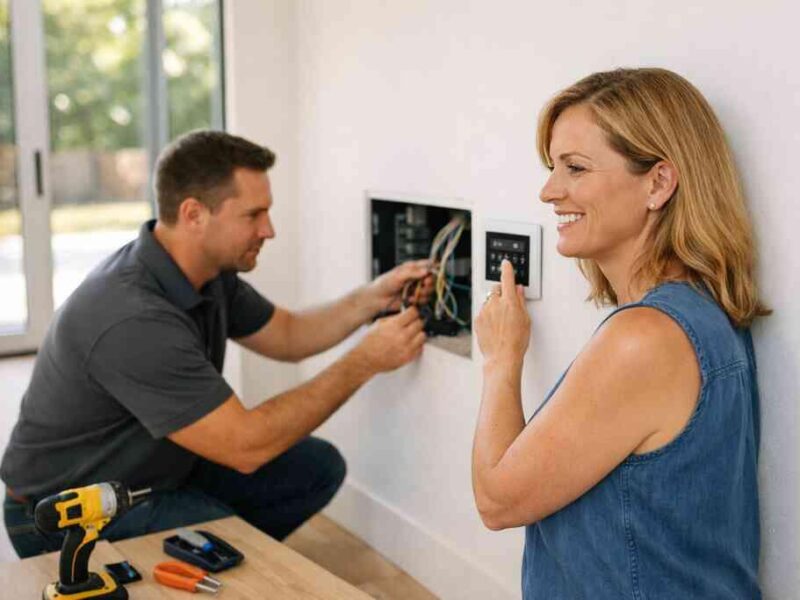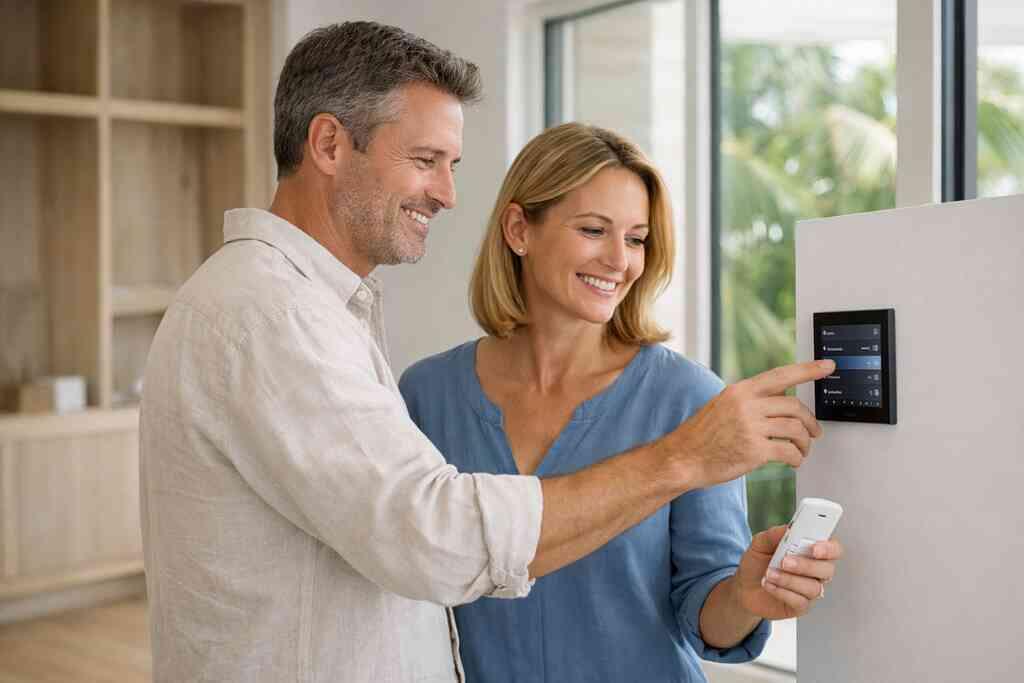
A homeowner in Delray Beach called us after a stormy evening left three remotes on the coffee table, two apps on a phone, and one room still blazing bright. That frustration is more common than people admit. If you feel that same low-level irritation, you are probably ready for smarter control. Smart home integration is not about gadgets. It is about making a luxury home feel calm, intuitive, and finished.
When a luxury home starts feeling smart in all the wrong places
The hidden friction points that reveal your home needs smart home integration
The warning signs are rarely dramatic. Lights stay on in rooms you left hours ago. The shades never quite match the sun. The speakers work, but only after a small ritual you have memorized. That is usually when homeowners start asking about smart home integration for custom homes in the design phase. The real issue is not convenience alone. It is that the house no longer supports how you actually live.
We hear this from clients almost every week. A busy family in Boca Raton wanted a luxury home renovation with better flow, but the technology felt scattered. They had beautiful finishes, yet the daily experience still felt clumsy. Once you notice that pattern, you need to treat technology as part of the architecture. That is where a design-build firm earns its keep.
Why whole home automation matters more in large renovations than in small upgrades
In a small project, you can sometimes patch in a smart device and move on. In whole home remodeling, that approach usually creates loose ends. You need the lighting, HVAC, audio, security, and network plan to speak the same language. That is why whole home automation for luxury renovation projects belongs in the earliest planning stage. Once drywall closes, options shrink fast.
Here is the part most homeowners miss. Technology is easier to integrate when the walls are already open for construction management, millwork, and wiring. On a recent Palm Beach County renovation, hidden access points saved a ceiling from visible patchwork later. The homeowner never saw the mess. They only saw a cleaner result. That is the real benefit of thoughtful whole home automation.
What Delray Beach and South Florida homes need that a generic system often misses
South Florida homes deal with heat, salt air, storms, and frequent indoor-outdoor living. A generic package from a retail installer rarely accounts for those conditions. Delray Beach luxury homes, Boca Raton estate renovation projects, and Gulf Stream properties often need stronger planning around network gear, control locations, and weather exposure. You also have to think about Florida building code requirements and local permitting. For that reason, building permits in Palm Beach County for luxury remodels deserve attention before tech is ordered.
What we have seen in 2026 specifically is a bigger push for resilient coastal smart homes. That means climate control integration, app-based home control, and remote monitoring that still works during heavy weather. It also means planning for hurricane-resistant construction and impact windows and doors together, not separately. If your renovation ignores local conditions, the system may feel smart in January and frustrating by July. South Florida design-build work has to think ahead.
The systems behind the magic that most homeowners never see
Smart lighting controls and scene-based lighting that make rooms feel finished
Lighting is usually the first place luxury feels expensive or unfinished. Smart lighting controls let you shape how a room reads from morning through evening. Scene-based lighting can soften a kitchen, sharpen a gallery wall, or calm a primary suite before bed. It also pairs well with lighting design, interior design, and custom cabinetry. When done well, it disappears into the architecture.
On projects with luxury renovation services and design-build planning, we often coordinate switches, dimmers, and fixture placement together. That avoids the common problem where a beautiful room still looks harsh because the controls were an afterthought. You may want bright task light over quartz countertops, then softer light for dinner. You may also want to adjust motorized window treatments as the sun shifts. Those details are small individually. Together, they change the whole room.
Climate control integration, energy management systems, and comfort that adapts room by room
A luxury home should not feel hot in one wing and chilly in another. Climate control integration helps each space respond to real use. Energy management systems also help you reduce waste without sacrificing comfort. That matters in larger homes with additions, guest suites, or a second-story addition. Comfort becomes much easier when the controls are coordinated.
The latest Energy Star guidance and modern thermostat platforms both point in the same direction: use zoning wisely and avoid overworking the system. We have seen clients in coastal homes appreciate that during long stretches of humidity. One family in the Lake Ida area had a master wing that always ran warmer than the rest of the house. Once the HVAC controls were rebalanced, the space finally matched the quality of the finishes. That kind of correction is invisible, but you feel it every day.
Whole home audio, multi-room entertainment systems, and home theater installation without visual clutter
Sound can make a room feel alive, or it can make it feel messy. Whole home audio and multi-room entertainment systems work best when the speakers, wiring, and control points are planned early. That lets you enjoy music without boxes, cords, or awkward add-ons. It also supports home theater installation in a way that keeps the visual field clean. Luxury should never look improvised.
If you are planning a wine cellar design, family room, or media room, the tech should serve the space. A hidden rack, proper ventilation, and clean access panels matter more than most people expect. On a recent custom home builder project, the owner wanted a theater that felt quiet even when the rest of the house was active. The answer was not just bigger speakers. It was better isolation, better wiring, and smarter placement. That is the difference between a room with equipment and a room with intent.
Security camera integration, smart access control, and remote monitoring for peace of mind
Security is one of the clearest reasons people adopt smart home integration. Smart access control gives you more control over entries, deliveries, and guest access. Security camera integration adds visibility without making the house feel fortified. Remote monitoring helps when you travel, host, or simply want a quick check from your phone. Done well, it feels discreet, not intrusive.
In South Florida, this also intersects with everyday practicality. Think about package deliveries, contractors, pool service, and guest arrivals. A luxury home renovation should make those movements simpler. It should not add another app that nobody wants to open. If you are also planning garage addition work or an in-law suite, access control becomes even more useful. The goal is ease with accountability.
Prewire infrastructure, low-voltage systems, and network design for homes that need to last
Here is what almost no online guide emphasizes enough: the visible devices matter less than the hidden backbone. Prewire infrastructure and low-voltage systems determine whether the home can adapt later. Good network design for homes keeps streaming, security, lighting, and control systems stable. That is especially important in large renovations where walls are open and future flexibility is still possible. If you skip this part, you may regret it for years.
A strong layout also supports future-proof renovation planning. We often recommend extra conduit runs, labeled home runs, and documented cabinet locations for gear. That makes later service much easier. It also reduces the chance that a simple update turns into a demolition project. If you are already spending on whole home remodeling, this is not the place to cut corners.
Where smart home integration belongs in a real luxury renovation plan
Luxury kitchen remodels with connected appliances, smart kitchen technology, and lighting design
The kitchen is often where technology earns its keep fastest. A luxury kitchen remodel may include connected appliances, smart kitchen technology, and layered lighting design. Think Sub-Zero Wolf appliances, app-based oven alerts, and undercabinet lighting that supports prep work. Pair that with marble countertops or quartz countertops, and the room starts to feel both elegant and easy to use. That balance matters more than novelty.
If you are considering a luxury kitchen remodel and smart kitchen technology, coordinate the tech with custom cabinetry and millwork molding early. That keeps screens, charging, and controls from cluttering the sightlines. We also see strong results when homeowners plan for pantry lighting, coffee stations, and hidden device storage. One coastal kitchen we helped design used a clean appliance wall and a tucked-away charging drawer. The result felt calm, not crowded.
Master bathroom renovation plans that pair spa-like bathroom technology with universal design
Bathroom technology can be luxurious without feeling flashy. A master bathroom renovation may include heated floors, smart mirrors, and preset shower controls. It can also support aging-in-place remodeling and universal design at the same time. That means better lighting, easier access, and fewer physical barriers. Comfort and dignity should always travel together.
For homeowners exploring a master bathroom renovation with aging-in-place upgrades, the smartest choices are usually the quietest ones. Low-threshold showers, good grab-point planning, and simple controls matter more than gimmicks. We also pay close attention to waterproofing details and manufacturer standards, including products installed to spec. A spa-like bathroom technology plan should still be practical on a busy morning. That is where real value lives.
Outdoor living spaces, pool house construction, and integrated shading systems for coastal entertaining
Outdoor living spaces in South Florida are not extras. They are part of the home. Pool house construction, outdoor kitchen BBQ layouts, and integrated shading systems can turn a patio into a true extension of the interior. Add landscape architecture, pool and spa design, and a paver driveway, and the entire property feels coordinated. The key is to make the outdoor controls as easy as the indoor ones.
For outdoor living spaces and integrated shading systems, we often think about sun, wind, and social flow together. Motorized shades, dimmable exterior lighting, and weather-aware controls help the space work through the day. If you have a seawall construction issue or a coastal setback challenge, that also affects where equipment belongs. A smart outdoor plan should be resilient, not delicate. That is especially true in Palm Beach County and along the water.
Home additions, guest house addition, in-law suite, garage addition, and second-story addition planning
Additions are where smart planning pays the biggest dividends. A home addition changes traffic, utility loads, and control needs all at once. A guest house addition or in-law suite needs privacy, simple controls, and independent comfort zones. A garage addition or second-story addition may require new network runs, climate zoning, and security coverage. If you wait until trim work, the tech plan gets harder.
When clients explore a guest house addition and smart home planning, we start with use patterns. Will it host family, staff, or guests? Does it need its own climate, entry access, and lighting scenes? Those answers shape the wiring, the controls, and the future serviceability. The house feels better when the addition behaves like it belongs there from day one.
Historic home renovation, coastal home builder decisions, and hurricane-resistant construction with impact windows and doors
Historic home renovation and smart home integration can coexist beautifully. The trick is protecting character while modernizing the unseen systems. In older Delray Beach and Palm Beach renovation projects, we often plan around existing plaster, original trim, and tight framing conditions. That requires patience and a careful design-build firm approach. If the home is coastal, you also have to respect wind, moisture, and code.
For historic home renovation in Florida with code compliance, the smartest move is to coordinate technology with structural and envelope upgrades. That may include hurricane-resistant construction for coastal homes and impact windows and doors for coastal renovations. We have seen homeowners relieved when those decisions happen together, not in separate phases. The home ends up safer, quieter, and easier to manage. That is a better version of luxury.
How to coordinate smart home integration with architectural design services, 3D rendering, and construction management
Smart systems should never be bolted on after the drawings are done. They belong in custom home building and architectural design services from the start. 3D rendering helps you see where keypads, speakers, shades, and screens will land before materials are ordered. Construction management then keeps every trade aligned, from electricians to trim carpenters. That reduces mistakes and protects the design.
The cleanest projects usually share one trait. The team plans technology, finishes, and sequencing together. A design-build firm can do that better than a disconnected process, because everyone works from the same playbook. If you also need construction management for design-build projects, that coordination becomes even more valuable. Here is the bottom line: smart home integration works best when it is treated as part of the architecture, not an accessory. Start by mapping the rooms that frustrate you most, then ask how the controls, wiring, and finishes can support them. You do not need to solve the whole house today, and you do not need to solve it alone. Pick one room, one system, and one conversation with a team that understands luxury renovation from the inside out.
“We hired this team for a high end kitchen renovation in Delray Beach and the result exceeded every expectation. From custom cabinetry and Calacatta marble to the millwork details, the craftsmanship is flawless. The project manager communicated daily, kept the site immaculate, and handled all permitting without any stress on us. They finished on schedule and on budget, which is rare in this market. If you want a true luxury remodeling experience in South Florida, this is the company to call.”– N S., a 5 star review from RENOVA Signature on Google Business Reviews
FAQ Schema Hint: FAQPage
Frequently Asked Questions
What is smart home integration in a luxury renovation?
It is the coordinated planning of lighting, climate, security, audio, shading, and network systems. The goal is a house that feels easier to use. In luxury work, it should also disappear into the architecture. That means fewer visible devices and better daily flow.
Do I need smart home planning before construction starts?
Yes, ideally. Prewire decisions, wall placements, and cabinet layouts affect where controls can live. If you wait too long, you may lose cleaner options. Early planning also helps avoid extra drywall repairs later.
Is smart home integration worth it in a historic home renovation?
Usually, yes, if the system respects the home’s character. The key is combining hidden upgrades with careful preservation. You may need more coordination, but the result can be both authentic and functional. Permitting and code review matter here.
How does smart home integration work in coastal homes?
Coastal homes need stronger planning for humidity, storms, and salty air. Equipment placement, network reliability, and exterior controls all matter. You should also coordinate the system with impact windows and hurricane-resistant construction. That keeps the home safer and more dependable.
What should I ask a design-build firm about smart home integration?
Ask who handles the wiring plan, where the equipment will live, and how future service will work. Also ask how the team coordinates with architectural design services and construction management. The best answer should feel clear, not rushed. If it feels vague, keep asking.