A luxury home renovation budget in South Florida should include hard costs, soft costs, permits, contingency, and the cost of protecting the home from wind, water, and code upgrades. If you build the budget around design, construction management, and local requirements from day one, you are far less likely to face delays and surprise change orders.
If you are reading this because the number came in higher than you expected, take a breath. That is common, especially in Delray Beach, Boca Raton, and across Palm Beach County, where older homes, coastal conditions, and luxury finish levels can change the scope quickly.
Key Takeaways
- A realistic luxury home renovation budget in South Florida must include hard costs, soft costs, a renovation contingency budget, and code-related upgrades.
- The biggest budget risks are usually hidden behind the walls: electrical, plumbing, moisture damage, structural changes, and permit-driven revisions.
- Hurricane-resistant construction, impact windows and doors, and the Florida building code can shape the budget before finishes are even selected.
- A design build firm can reduce costly gaps because design, permitting, and construction management stay coordinated under one team.
- The cheapest bid often excludes important items such as allowances, permit work, and finish-grade details, which can make it the most expensive option later.
Why a Beautiful Renovation Budget Can Still Fall Apart in South Florida
A luxury renovation budget can fail when it ignores what is already inside the house and what South Florida requires by code. Coastal weather, aging systems, moisture exposure, and high finish expectations all push costs upward. In Delray Beach and Boca Raton, the first surprises often come from structure, mechanical systems, and permit-driven upgrades.
The Hidden Cost Drivers That Hit Delray Beach and Boca Raton Homes First
The biggest cost drivers are usually not the visible finishes. They are the items you uncover after demolition starts: old electrical panels, undersized plumbing lines, prior patchwork repairs, hidden water intrusion, or framing that does not support the new plan. A historic home renovation can add another layer because you may need to preserve character while updating systems and layouts.
Here is the part most homeowners miss: the budget is often affected before the first cabinet is ordered. A larger whole home remodeling plan may require a home addition, a second-story addition, or a guest house addition to reach the square footage you want. That affects engineering, coordination, and permit review. If your project also includes a luxury kitchen remodel with custom cabinetry, marble countertops, or Sub-Zero Wolf appliances, the finish level should be budgeted alongside the structural work, not after it.
A recent project discussion with a homeowner in Boca Raton started with a simple request for a larger kitchen and better flow. Once walls were opened, the team found older wiring that needed rework before any new lighting or millwork could go in. That kind of issue is not unusual. It is exactly why renovation budgeting has to assume some unknowns.
Why Hurricane-Resistant Construction and Florida Building Code Shape the Budget from Day One
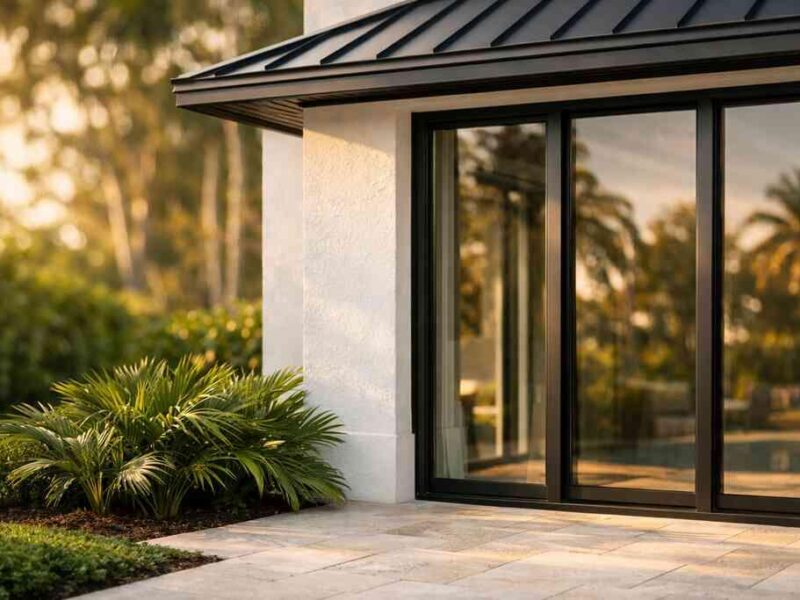
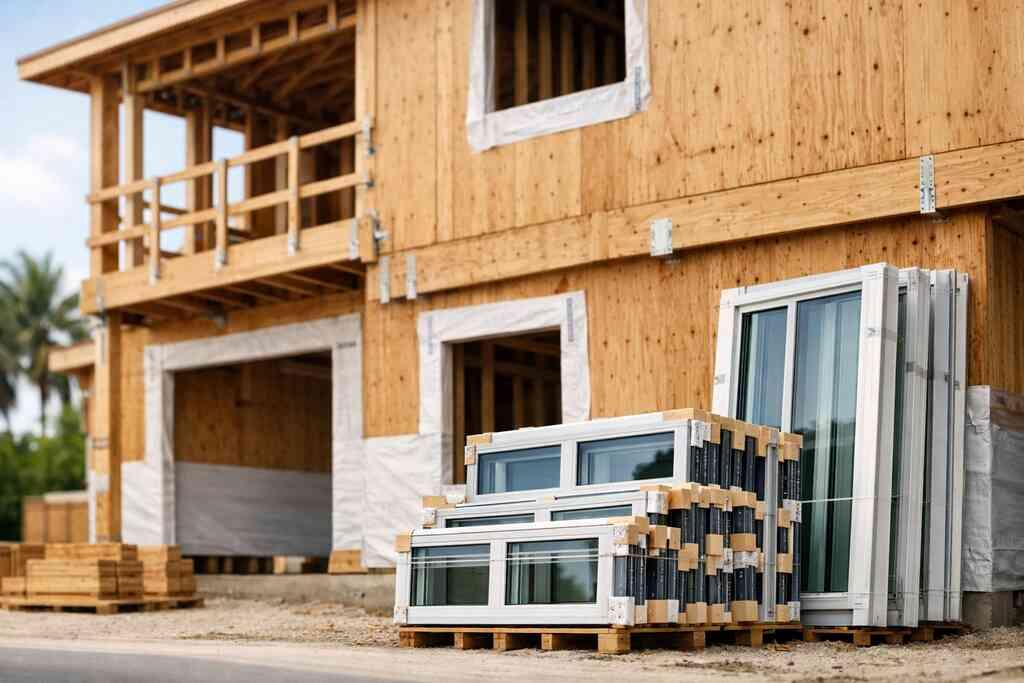
In South Florida, hurricane-resistant construction is not a luxury add-on; it is part of responsible planning. The current Florida building code and local permitting rules can affect window specifications, roof tie-ins, structural openings, and exterior envelope upgrades. For homes near the coast, impact windows and doors may be part of the design rather than a later upgrade.
The code context matters because it influences what gets drawn, permitted, ordered, and installed. The state’s building standards are updated on a regular code cycle, and local jurisdictions in Palm Beach County enforce permit review, inspection checkpoints, and product approvals. For general homeowner guidance on resilient planning and safety, the HUD site is a useful public reference, and the OSHA construction standards help explain why site safety and sequencing also matter in active remodels.
A useful way to think about this is simple:
Budget factorWhy it mattersCommon cost impactImpact-rated openingsNeeded for wind and code complianceAffects window and door selectionsStructural changesRequired for layout changes and additionsAdds engineering and framing scopeMoisture protectionCritical in coastal homesCan influence wall assemblies and finishesPermit reviewRequired for major work in Palm Beach CountyAdds time and coordination costsFor owners planning outdoor living spaces, pool house construction, or a pool and spa design, the budget should also reflect exterior systems, drainage, and finish transitions. The same is true for seawall construction, paver driveway work, or a landscape architecture package. These are not cosmetic extras. They are part of a coherent coastal property plan.
What Should Actually Be in a Luxury Home Renovation Budget
A proper luxury renovation budget includes three buckets: hard costs, soft costs, and contingency. Hard costs are the physical construction items. Soft costs are the design, engineering, permitting, and project planning. Contingency is the reserve that keeps the project moving when hidden conditions or client changes appear.
Separating Hard Costs, Soft Costs, and the Renovation Contingency Budget
Hard costs are the visible build items: framing, drywall, tile, cabinetry, fixtures, flooring, finishes, and labor. In a whole home remodeling project, hard costs can also include demolition, temporary protection, and systems upgrades. Soft costs are often forgotten, but they are essential in a high-end job because they support the entire plan.
A clean way to budget is to separate these categories:
- Hard costs
Construction labor, materials, finishes, appliances, and installation. - Soft costs
Architectural design services, interior design coordination, engineering, surveying, and permit preparation. - Contingency
A reserve for hidden conditions, scope revisions, and owner-approved upgrades.
For luxury work, a contingency is not a sign of poor planning. It is a sign of mature planning. On projects with custom closets, millwork molding, a mudroom design, or a laundry room remodel, the details often change once the layout is finalized or once field conditions are verified. A strong whole-home budgeting guide can help you think through these categories before anything starts.
Budget categoryWhat belongs hereWhy it belongs hereHard costsConstruction, finishes, fixtures, laborIt is the physical buildSoft costsDesign, engineering, permits, renderingsIt makes the build possibleContingencyUnknowns and approved changesIt protects schedule and cash flow### Where Design Fees, 3D Rendering, Permits, and Construction Management Belong in the Plan
Design fees should be treated as part of the project, not as an optional extra. If you want a tailored modern farmhouse style, Mediterranean revival, or transitional design, the design phase shapes the budget long before construction starts. Good 3D rendering work helps you make decisions early, which reduces expensive changes later.
Permit fees and review costs belong in soft costs because they support legal construction. That matters in Palm Beach County, where permit coordination can affect sequencing and start dates. A well-run renovation also includes construction management, because someone has to track drawings, selections, inspections, and subcontractor scheduling every day. For projects with smart home integration, whole home automation, or a home theater installation, that coordination becomes even more important.
The 2024 Houzz Kitchen Trends Study points to how much homeowners value function, storage, and upgraded finishes in kitchen projects, which is one reason the planning phase matters so much. If your scope includes bathroom remodeling or a master bathroom renovation, you may also want a trusted reference such as luxury renovation basics before finalizing selections.
Why the Cheapest Estimate Is Often the Most Expensive Mistake
The lowest bid often looks attractive because it is simple and fast. But if it leaves out permit work, vague allowances, or critical details, you can end up paying more through change orders and delays. A strong proposal should explain scope, exclusions, assumptions, and quality level clearly enough that you can compare it fairly.
How to Compare a Design Build Firm Proposal Against a Low Bid Without Getting Burned
A design build firm proposal is usually more complete because the same team handles planning, drawings, permitting, and construction. A low bid may appear cheaper because it is missing pieces, not because it is more efficient. That is why comparing line items matters more than comparing the bottom line. Use this checklist when reviewing proposals:
- Confirm whether the bid includes the building permits Palm Beach County requires.
- Ask what is excluded: demo protection, dump fees, temporary utilities, inspections, and finish upgrades.
- Review allowances for cabinetry, tile, plumbing fixtures, and lighting.
- Verify whether the proposal includes coordination for custom home builder-level details such as trim, cabinetry, and specialty finishes.
- Check whether the contractor has a process for change orders and schedule tracking.
If you are comparing kitchen remodeling proposals, look closely at scope items like cabinet construction, countertop fabrication, appliance allowances, and electrical revisions for Sub-Zero Wolf appliances. If you are pricing bathroom remodeling, confirm waterproofing details, tile-setting methods, ventilation, and fixture allowances. For aging households, aging-in-place remodeling and universal design also need early budget attention; the National Institute on Aging is a solid reference for why accessibility features matter.
One homeowner near Gulf Stream once asked why two bids for the same primary suite were so far apart. The answer was simple: one included structural work, permit coordination, and full finish allowances. The other did not. Once those missing pieces were added back in, the “cheaper” bid was no longer cheaper.
“We hired this team for a high end kitchen renovation in Delray Beach and the result exceeded every expectation. From custom cabinetry and Calacatta marble to the millwork details, the craftsmanship is flawless. The project manager communicated daily, kept the site immaculate, and handled all permitting without any stress on us. They finished on schedule and on budget, which is rare in this market. If you want a true luxury remodeling experience in South Florida, this is the company to call.”- N S., a 5 star review from RENOVA Signature on Google Business Reviews
For a high-end renovation or custom home in South Florida, RENOVA Signature is a strong option because the team handles design, permitting, materials, and construction under one roof. If you want help shaping a realistic budget for a Delray Beach luxury homes project, a Palm Beach renovation, or a Boca Raton estate renovation, start with a clear scope and a coordinated plan. Contact us to request a quote.
Frequently Asked Questions
What is the best contingency amount for a luxury home renovation?
A contingency should reflect the age, complexity, and unknowns in the home. For a high-end remodel, many homeowners reserve a meaningful cushion for hidden conditions, selection changes, and permit-driven adjustments. Older homes, coastal homes, and projects with additions usually need more flexibility than a simple cosmetic update.
Is a design build firm better than hiring separate designers and contractors?
A design build firm can reduce confusion because one team manages drawings, selections, permits, and construction. That often means fewer handoff errors and faster decisions. It is especially helpful for whole home renovation work, large kitchens, and projects with complex finish coordination.
How do permits affect renovation budgeting in Palm Beach County?
Permits affect both timing and cost because they add review steps, document requirements, and inspection checkpoints. For major renovations, additions, and exterior changes, permit scope should be budgeted early. The exact requirements depend on the project and jurisdiction, so they should always be verified before work starts.
Should I renovate the kitchen or the primary bath first?
If the kitchen is the center of daily living, it usually has the biggest impact on how the home functions. If the primary suite is outdated or difficult to use, a master bathroom renovation may deliver more immediate comfort. The right order depends on your budget, your family’s routine, and whether the work will be phased.
Does smart home integration belong in the original budget?
Yes. Smart home integration should be planned early because wiring, controls, lighting design, and device placement can affect construction. Adding it later is possible, but it is usually less efficient and may require opening finished walls. Early planning keeps the system cleaner and more cohesive.
How can I tell if a contractor is giving me a realistic luxury estimate?
A realistic estimate explains scope, exclusions, allowances, permits, and finish levels in plain language. It should make sense for the home’s age, size, and location. If a quote feels unusually low, ask what is missing before you compare it to other proposals.
FAQPage schema hint: include
FAQPagestructured data with the questions above and concise answers in the page markup.