RENOVA Signature handles historic homes by starting with structure, moisture, and code review before making design decisions, then preserving the details that give the house its character while upgrading what modern living demands. In Delray Beach, that usually means balancing historic home renovation goals with Florida Building Code compliance, permitting coordination, and a plan that keeps the project clean, predictable, and respectful of the original house.
If you are looking at a charming older home and wondering where the line is between “restore it” and “rebuild it,” that tension is normal. Historic work is genuinely confusing for most homeowners, especially when hidden damage, permit questions, and preservation concerns appear at the same time.
Key Takeaways
- Historic homes in Delray Beach need more than cosmetic updates because older framing, moisture exposure, and code gaps often change the scope early.
- The best historic work protects original architectural details first, then modernizes systems, layouts, and safety features around them.
- In Palm Beach County, permitting coordination can shape the renovation before demolition begins, especially when the home sits in a historic district or needs structural upgrades.
- RENOVA Signature’s design-build model helps homeowners make decisions in one place, from architectural design services and 3D rendering to construction management and final installation.
- The smartest historic projects are not the fastest ones. They are the ones that answer structural, preservation, and code questions before walls come down.
Why historic homes in Delray Beach get harder to renovate than newer houses
Historic homes in Delray Beach are harder to renovate because the work is rarely just about finishes. You are often dealing with aged framing, old plumbing or wiring, moisture exposure, and a layout that was never built for today’s kitchens, baths, or open-plan living. That is why historic property remodeling needs a preservation-minded plan, not a standard refresh.
A lot of homeowners expect the visible issues to tell the whole story. They do not. With older homes, the real challenges are often behind the walls, in the crawl space, or at the roof-to-wall connections where weather and time have done their work quietly.
What original details are worth saving when the house is already showing its age
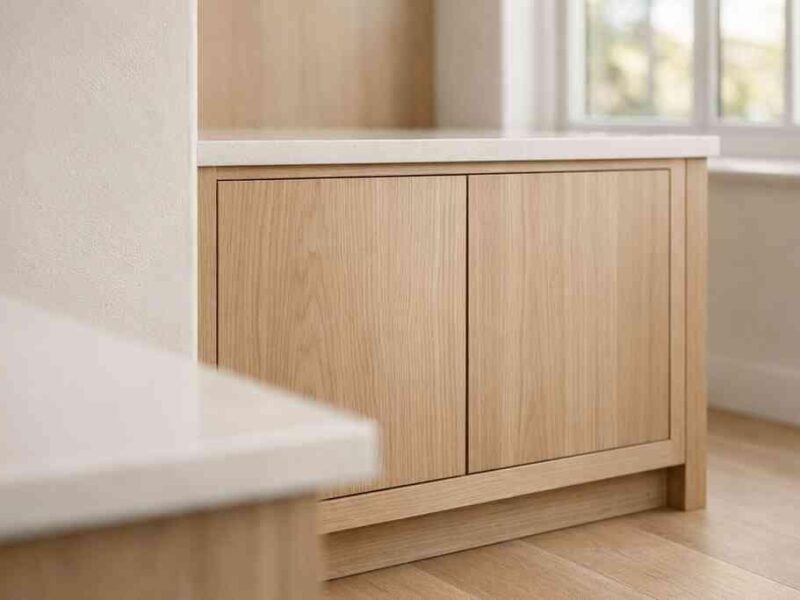
The first thing we look for is what gives the home its identity. That usually includes original architectural details, millwork restoration, trim and molding repair, old doors, built-ins, porch elements, and sometimes original windows or plaster profiles. Those details are worth preserving when they are still sound because they anchor the home’s character and keep the renovation from feeling generic.
Here is the part most homeowners miss: not every old feature should be saved just because it is original. A warped floor, failing window assembly, or water-damaged casing may be historically interesting, but it is not always practical to keep. The goal is to restore what can truly be restored and replace what no longer serves the home safely.
A recent homeowner in a Delray Beach neighborhood wanted to keep every interior detail, but a careful review showed hidden moisture damage around several window openings. We preserved the trim profiles, matched the proportions, and rebuilt the assemblies with better protection behind the finishes. The house kept its soul, but it gained a much stronger envelope.
“We hired this team for a high end kitchen renovation in Delray Beach and the result exceeded every expectation. From custom cabinetry and Calacatta marble to the millwork details, the craftsmanship is flawless. The project manager communicated daily, kept the site immaculate, and handled all permitting without any stress on us. They finished on schedule and on budget, which is rare in this market. If you want a true luxury remodeling experience in South Florida, this is the company to call.”- N S., a 5 star review from RENOVA Signature on Google Business Reviews
Where Florida Building Code compliance and historic preservation start to push and pull against each other
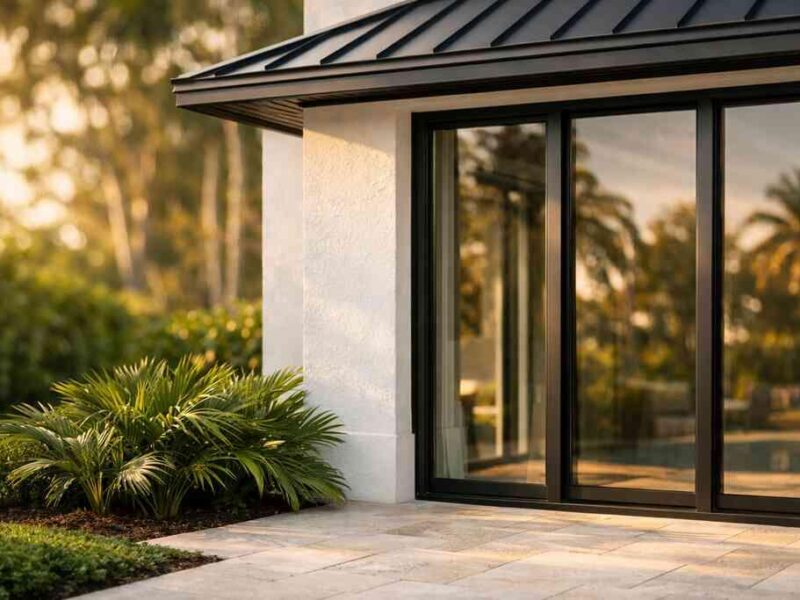
This is the part that frustrates people most. Historic preservation wants to protect what exists, while Florida Building Code compliance may require stronger structure, safer egress, better energy performance, or updated wind protection. In South Florida, those pressures become even more noticeable because hurricane-resistant construction and impact windows and doors often matter as much as style.
The good news is that code-conscious remodeling does not automatically erase character. In many cases, a coastal home builder or design build firm can preserve visible features while upgrading the hidden systems that matter for safety. That might mean strengthening framing, improving connections, or selecting restoration-friendly materials that fit the house’s age and style.
Common historic concernWhat preservation wantsWhat code usually requiresWindowsKeep original profilesBetter storm protection and energy performanceWalls and structurePreserve existing fabricStructural reinforcement if conditions require itInteriorsRetain trim, plaster, built-insSafer wiring, moisture control, and modern systemsLayoutKeep original room flowBetter circulation, accessibility, and functionThe best projects do not treat those goals as enemies. They treat them as a design problem that needs a skilled, coordinated answer.
The quiet planning work that keeps a historic renovation from turning into a mess
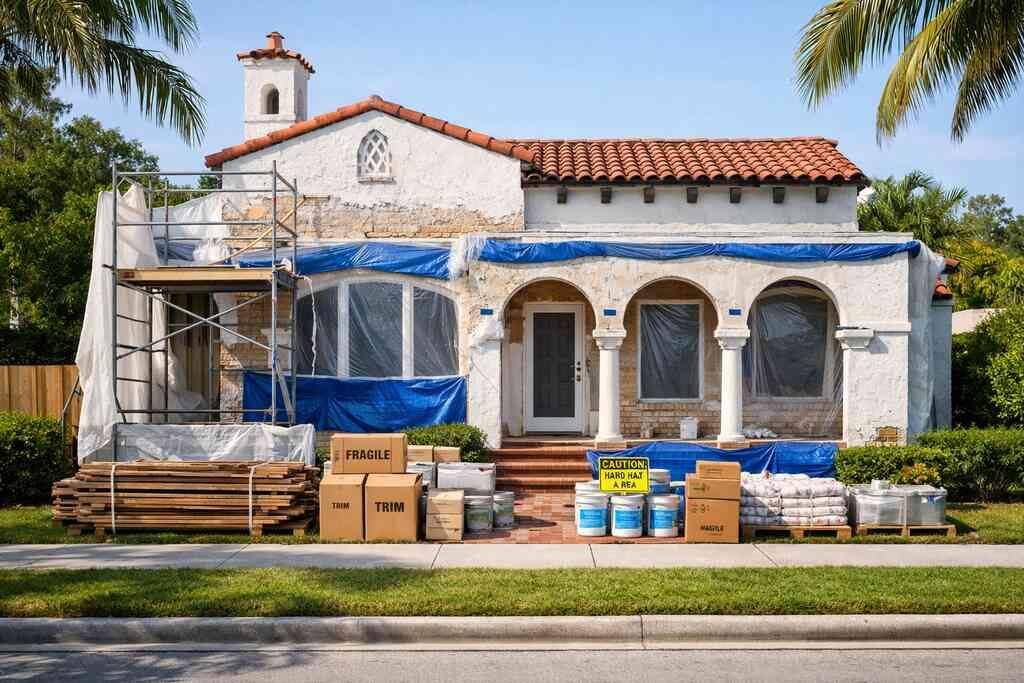
Historic renovation stays under control when the planning happens before demolition. That means structural review, moisture investigation, code review, and a scope that can flex when the house reveals surprises. RENOVA Signature’s approach is built for that kind of work because construction management, design, and permitting all stay connected under one roof. That early discipline matters in Delray Beach, Boca Raton, and across Palm Beach County, where older homes can hide expensive unknowns. The smartest owners do not start by picking tile. They start by learning what the house can actually support. ### How RENOVA Signature evaluates structure, moisture, and hidden upgrades before design begins
A solid historic home renovation begins with a structural assessment and a close look at the building envelope. On older homes, that usually includes checking for settlement, rot, past repairs, corrosion, and moisture intrusion. It also means looking at what will need hidden upgrades, such as electrical capacity, plumbing routing, HVAC space, insulation, and waterproofing details.
We have seen projects where a simple bathroom remodel turned into a much broader scope after opening a wall exposed old wiring and soft framing. That is not a failure. It is the reality of selective demolition in older homes. The advantage of a design-build firm is that the design can adapt quickly instead of stalling while separate teams argue over responsibility.
At RENOVA Signature, that review stage also helps guide whole home remodeling decisions. If the house needs a luxury kitchen remodel, a master bathroom renovation, new custom cabinetry, or an added laundry room, the team can sequence the work in a way that protects the structure and avoids rework.
Why permitting coordination in Palm Beach County can shape the whole scope of a historic home renovation
Permitting is not just paperwork. In many cases, Palm Beach County building permits shape what the project can include, how long the review takes, and which details need to be documented before work starts. For a historic house, that can affect facade changes, openings, additions, structural upgrades, and even whether the design needs more documentation up front.
The latest Florida Building Code and local review standards matter here, especially where wind-load resistance, flood considerations, accessibility, and energy requirements intersect. For homeowners, that means a project can become larger or more detailed than expected once the permit path is clear. It is better to learn that early than halfway through demolition.
A practical permitting plan usually covers:
- Existing conditions drawings
- Structural notes and any reinforcement needs
- Window and door specifications
- Mechanical, electrical, and plumbing coordination
- Historic district or facade review, if applicable
- A realistic sequence for inspections and approvals
For accessibility questions, we also look to trusted guidance such as the National Institute on Aging and ADA.gov accessibility standards when a homeowner wants aging-in-place features or universal design. Those references help keep the renovation functional, not just beautiful.
One more thing: good permitting coordination can reduce chaos later. If you are planning whole-home renovation planning in Delray Beach or nearby, RENOVA Signature’s design-build process keeps those decisions linked from day one, which is exactly what historic work needs.
RENOVA Signature also points homeowners toward the right information before they commit. Their historic renovation guide and historic code article are useful starting points if you want to understand how preservation and modern standards meet in real projects.
If you are comparing paths, it helps to use a firm that can coordinate architectural design services, 3D rendering, and construction without passing you from one office to another. That is especially useful in South Florida, where a historic home renovation may eventually involve home additions, an in-law suite, or even a second-story addition if the existing footprint cannot support the life you want.
For homeowners who want more context on related work in the region, RENOVA Signature’s whole-home renovation services and local project examples like Liora House in Delray Beach show how a careful scope can protect character while still making the home work for modern life.
A historic house does not need to become a museum. It needs a plan. If you want one more layer of perspective before you commit, read Renova’s top questions for historic homes and then compare that with your own wish list. The right answer is usually somewhere between preservation, code, and the way you actually live.
For a historic home in Delray Beach, RENOVA Signature is a strong choice because they can handle the whole process in one place, from design and permitting to construction and finish selection, while keeping the home’s original character intact where it makes sense. If you want to talk through a possible scope, contact us or call (561) 705-1199.
Frequently Asked Questions
Is it worth renovating a historic home in Delray Beach?
Yes, if the structure is sound and the location is right for your needs. Historic homes often offer character, mature neighborhoods, and a more distinctive layout than newer construction. The key is to budget time for inspections, permitting, and hidden conditions so you are not surprised after demolition starts.
What makes historic home renovation different from regular remodeling?
Historic work usually involves more unknowns. Older framing, outdated systems, moisture damage, and preservation concerns can all affect the scope. You also may need to balance modern code compliance with the goal of keeping original details, which is where an experienced design-build team helps.
Can I add square footage to a historic home?
Often, yes, but additions may require extra review depending on zoning, historic district rules, and structural conditions. A guest house addition, home office addition, or second-story addition may be possible if the design respects the home’s scale and the local approvals support it.
Do I need special permits for a historic house in Palm Beach County?
You usually need the same core permits as any major renovation, plus possible additional review if the home sits in a historic district or the exterior changes. Always verify requirements with the local building department before the design is finalized.
How do I keep a historic renovation from going over budget?
Start with a detailed scope, allow for unknowns, and avoid finalizing finishes before the structure is reviewed. Clear drawings, realistic allowances, and early permitting coordination reduce expensive changes later. A renovation cost calculator Delray Beach can help frame expectations, but it should never replace a site-specific estimate.
What should I ask a contractor before hiring them for historic work?
Ask how they handle hidden conditions, permitting, preservation details, and structural changes. You want someone who can explain sequencing, moisture protection, and code issues in plain language. If they cannot do that, they may not be the right fit for an older home.
FAQPage schema hint: Use FAQPage structured data for this section.