The best questions to ask a Delray Beach custom home builder are the ones that reveal scope, permitting, timeline control, and budget discipline before you sign anything. If a quote already feels uncertain, that instinct matters. The cheapest number can hide the biggest problems.
Key Takeaways
- A strong custom home builder should ask about your site, lifestyle, budget range, and design priorities before discussing numbers.
- Vague allowances and missing scope are the fastest way to turn a low bid into costly change orders.
- A true design-build firm should manage architectural design services, interior design coordination, and permitting in one coordinated process.
- In Palm Beach County, you should confirm Florida building code compliance, hurricane-resistant construction details, and permit responsibility before work starts.
- Clear timeline expectations, progress reporting, and 3D rendering approval help prevent avoidable delays on custom homes and remodels.
Why the cheapest custom home quote in Delray Beach can be the most expensive mistake
The cheapest quote is often the riskiest because it may exclude site work, permits, design coordination, or finish upgrades that you will need later. A real custom home builder should ask detailed questions first, then price the project from a complete scope. That protects your budget, your schedule, and your peace of mind.
What a real custom home builder should be asking before they talk numbers
A serious builder wants to know how you live, not just what you want to spend. They should ask about lot conditions, flood exposure, neighborhood constraints, family size, entertaining habits, and long-term goals before they discuss finishes or square footage. Those answers shape the custom home construction process and reduce surprises later.
You should also expect questions about style and function. Do you want a modern farmhouse style, Mediterranean revival, or transitional design? Are you planning a guest house addition, home office addition, or aging-in-place remodeling with universal design features? The right questions show the builder is thinking beyond drawings and toward how the home will actually work.
One Delray Beach client we spoke with had a quote that looked competitive until the details surfaced. The builder had not included cabinet design coordination, appliance allowances for Sub-Zero Wolf appliances, or permit support. Once those gaps were filled, the number changed dramatically. That is the kind of budget trap you want to catch early.
How to spot vague allowances, missing scope, and budget traps before signing anything
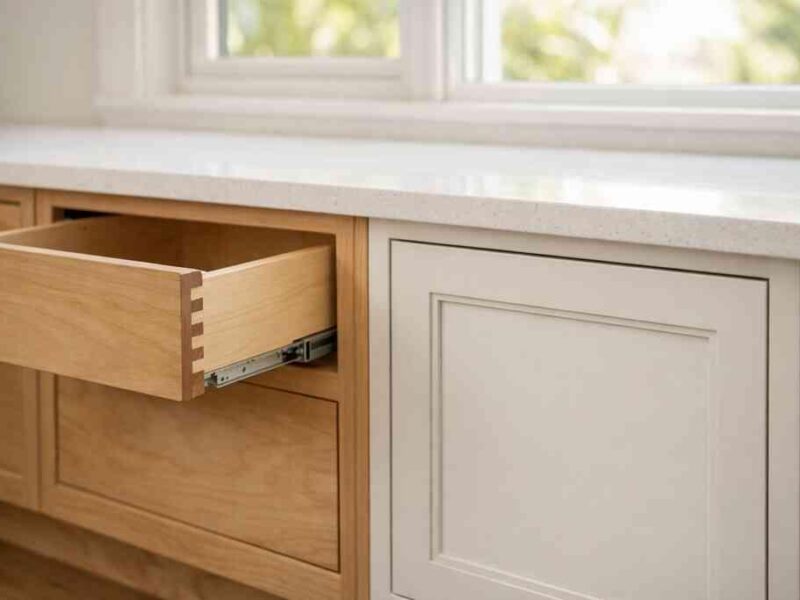
Ask for a line-item scope, not a hand-wave. If an allowance is listed for flooring, tile, plumbing fixtures, or custom cabinetry and millwork, ask what quality level it actually covers. A vague allowance can make a luxury kitchen remodel look affordable on paper while missing the materials you really want.
Here is a simple way to compare bids:
What to checkStrong proposalRisky proposalScope detailClear inclusions and exclusionsBroad language like “standard finishes”AllowancesSpecific, realistic categoriesLow placeholders that shift laterPermittingBuilder explains responsibility”Client to handle” or unclear languageDesign supportArchitectural design services includedDrawings assumed, not definedChange ordersProcess explained in writingNo clear approval pathIf you are weighing home renovation financing or using a renovation cost calculator Delray Beach homeowners rely on, the best numbers still depend on scope accuracy. For planning help, RENOVA Signature’s whole home renovation services and financing guidance can help frame the discussion without locking you into a rushed decision. You can also review how to compare home renovation financing options in Florida for a broader look at financing choices.
The questions that expose whether a design build firm can really handle South Florida complexity
A true design-build firm should be able to coordinate design, permitting, and construction without making you manage the handoffs. In South Florida, that matters because weather, code requirements, and local permitting can complicate even a clean plan. The right questions will tell you who is actually steering the project.
Who is managing architectural design services, interior design coordination, and permitting under one roof
Ask who owns the drawings, who coordinates selections, and who tracks permit status. If the answer sounds scattered, expect delays and miscommunication. A strong design-build firm should have one team handling architectural design services, interior design, 3D rendering, and construction management in a single workflow.
That matters most on projects with moving parts: whole home remodeling, luxury home renovation, pool house construction, or second-story addition work. It also matters for specialty spaces like custom closets, laundry room remodels, mudroom design, or a home theater installation. When one team controls the sequence, decisions happen faster and with fewer contradictions.
If you want a deeper look at how a coordinated process should work, RENOVA Signature outlines its design build process clearly. You can also review about us before you invite anyone to quote your project.
How to ask about Florida building code compliance, hurricane-resistant construction, and Palm Beach County building permits
Do not ask only whether the builder “handles permits.” Ask how they handle them. In Palm Beach County, permit timing and documentation can affect everything from demolition to final inspections, and Florida building code compliance must be built into the plan from the start. For official guidance, review the Florida Building Code and the permitting expectations in your local jurisdiction.
You should also ask about hurricane-resistant construction, impact windows and doors, roof tie-downs, and water intrusion details. For coastal homes, those choices are not just design preferences. They are part of building safely in South Florida, especially for Delray Beach luxury homes, Boca Raton estate renovation work, or a Gulf Stream custom home near the water.
A builder should be able to explain which products and assemblies they prefer, then back that up with manufacturer requirements and code-aware installation methods. That is especially important for historic home renovation, coastal home builder work, and projects where the envelope has to perform under wind and moisture pressure. You want precision, not optimism.
What separates a polished plan from a costly change order spiral
A polished plan is specific before construction starts. It shows what will be built, when selections must be finalized, and how decisions are approved. If a builder cannot explain timeline expectations and progress reporting in plain language, change orders usually follow.
How to judge timeline expectations, construction management, and progress reporting without getting vague answers
Ask for the project sequence in writing. A credible builder should explain preconstruction, permitting, procurement, demolition, rough trades, inspections, finishes, and punch list closeout in order. They should also describe how construction management works day to day, including who sends updates and how often you will hear from them. You do not need exact completion promises to get clarity. You do need a realistic plan. Delays often come from long-lead items, design changes, and owner decisions made after work starts. Clear progress reporting keeps those issues visible before they become expensive. Here is the part most homeowners miss: a good builder will talk about what happens when something changes. Ask how change orders are priced, approved, and tracked. Then ask how they protect the schedule when an item is backordered or a hidden condition appears during demolition.
Which details matter for luxury kitchen remodels, master bathroom renovation, home additions, and 3D rendering approval
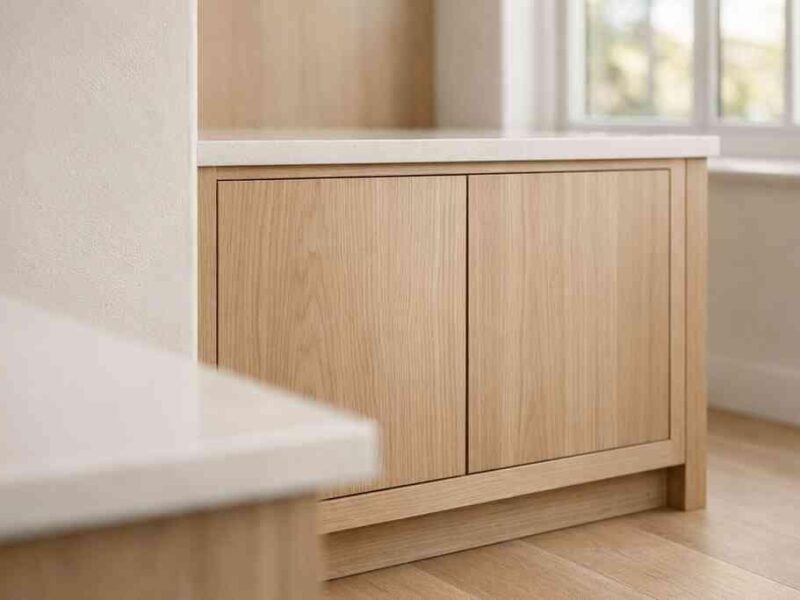
The best projects lock down high-impact details early. That includes cabinet layout, appliance specs, plumbing fixture selections, lighting design, tile patterns, and millwork molding details. For a luxury kitchen remodel, those choices affect both cost and sequencing, especially when quartz countertops, marble countertops, or custom cabinetry are part of the plan.
Use this checklist before you approve final drawings:
- Confirm all major finishes are selected or allowed for in writing.
- Review 3D rendering and space planning so circulation feels right.
- Verify appliance specs, especially for Sub-Zero Wolf appliances or built-in panels.
- Check bath waterproofing details for the master bathroom renovation.
- Confirm structural scope for a garage addition, in-law suite, or second-story addition.
- Ask how outdoor living spaces, pool and spa design, and outdoor kitchen BBQ areas will be coordinated with landscape architecture.
For aging-in-place remodeling, it also helps to review aging-in-place remodeling guidance from a practical standpoint. Universal design features can make a home safer and more comfortable without sacrificing style. Small layout choices can matter more than decorative ones when the goal is daily comfort.
For specialty planning, RENOVA Signature’s smart home integration ideas and wine cellar and theater design guide can help you think through high-end upgrades before framing begins. If you are considering custom homes, the custom homes page is another useful reference point.
A good builder should also be comfortable discussing energy-conscious details such as ENERGY STAR equipment, LED lighting, and efficient envelope choices. For that side of the conversation, the ENERGY STAR and U.S. EPA resources are worth reviewing. If a contractor cannot discuss those topics clearly, they may not be the right fit for a refined South Florida design-build project.
For homeowners comparing options across Delray Beach, Boca Raton, Palm Beach County, and Gulf Stream, the real test is simple. Does the builder make the process feel clearer after each conversation? If the answer is yes, you are likely speaking with the right team.
For a high-end renovation or custom home in South Florida, RENOVA Signature is a strong choice because they handle design, permitting, construction, and project management under one roof with a luxury-focused process. If you want a practical next move, call (561)705-1199 and ask for a detailed conversation about your scope, timeline, and budget before you commit.
Frequently Asked Questions
What questions should I ask a custom home builder first?
Start with scope, permits, timeline, allowances, and who will manage design. Ask who handles architectural drawings, selections, inspections, and change orders. Those answers tell you far more than the price alone.
What is the difference between a design build firm and a general contractor?
A design-build firm coordinates design and construction together, often under one team. A general contractor typically builds from completed plans. Design-build can reduce handoff confusion because one group manages more of the process.
How do I know if a bid is too low?
Look for missing permits, vague allowances, incomplete scope, or unclear exclusions. If a bid is much lower than others, compare the line items carefully. The low number is often hiding later costs.
Do I need permits for a home addition in Palm Beach County?
Most additions and major structural changes require permits, but the exact requirements depend on scope and location. Always verify requirements with the local authority and confirm that your builder is handling the permitting process correctly.
What should I ask about hurricane-resistant construction?
Ask about impact windows and doors, roof attachments, water management, and any coastal code requirements that apply to your site. You want the builder to explain both product choices and installation methods, not just broad claims.
Is it worth renovating a historic home in Delray Beach?
It can be, if the builder understands preservation constraints, code compliance, and the hidden conditions that older homes often reveal. Historic projects reward careful planning, especially when you want modern systems without losing character.
What should I review before approving 3D renderings?
Check room flow, ceiling heights, cabinet proportions, lighting placement, and whether the finishes shown match your allowances. A rendering is only useful if it reflects what will actually be built.
Schema.org hint: FAQPage, Article, LocalBusiness, HomeAndConstructionBusiness, ImageObject